History
The land now known as Hamilton has a long Indigenous history, first inhabited by the Neutral Nation, also known as the Attawandaron, with archaeological evidence of tools dating back 13,000 years. Following the American Revolutionary War, about 10,000 United Empire Loyalists left the United States, and the Crown purchased the land from the Mississaugas in the 1792 Between the Lakes Purchase. The town of Hamilton was founded by George Hamilton after the War of 1812, with its administrative importance growing when it was chosen as the Gore District's centre over Ancaster in 1816. The completion of a canal through the outer sand bar in 1832 established Hamilton as a major port, and a permanent stone jail was constructed that same year. Official city status was granted by an act of Parliament on June 9, 1846, by which time the population was 6,475 and the town had eleven churches and sixty-five taverns. The 20th century saw Hamilton become an industrial powerhouse with the founding of major steel companies like Stelco in 1910 and Dofasco in 1912, alongside other manufacturers like Procter & Gamble. A significant restructuring of the economy occurred from the 1970s onward, with a shift away from heavy manufacturing, culminating in the permanent closure of the Stelco mills in 2013. On January 1, 2001, the current city was formed through the amalgamation of Hamilton with the neighbouring municipalities of Ancaster, Dundas, Flamborough, Glanbrook, and Stoney Creek, creating a single-tier government.
Neighbourhoods and Districts
Hamilton's urban landscape is composed of more than 100 distinct neighbourhoods, many with their own commercial main streets. The downtown core is situated on the south shore of Lake Ontario, with the Niagara Escarpment creating distinct upper and lower city areas, historically known as The Head-of-the-Lake. Trendy, family-friendly areas include those around Locke Street, such as Durand, Beasley, and Corktown. The Strathcona neighbourhood offers a convenient base within walking distance of restaurants and Bayfront Park, and is considered family-friendly. Westdale and Kirkendall are known for their historical and character-filled homes, though property prices there are often high. Ottawa Street North, the city's historic fabric district, has evolved into a destination for interior design, food, and antique stores, with the surrounding neighbourhoods ranging from well-maintained to more modest. The amalgamated communities of Ancaster, Dundas, and Stoney Creek retain their own suburban identities within the larger city, with Ancaster having been established as a settlement in 1793. Each area tends to have its own cluster of shops, restaurants, and services, making proximity to the downtown core less critical for daily life and contributing to the city's decentralized character.
 Play video: 36 Things To Do In Hamilton Ontario Canada
Food and Drink
Hamilton's food scene features a wide range of independent restaurants, bars, pubs, and cafés. The directory lists 40 establishments in each of the restaurant, bar and pub, and café categories, reflecting a substantial local dining landscape. Local dining options span many cuisines, including American, French, Thai, Vietnamese, Mexican, sushi, and Chinese. Specific venues on the site include Ancaster Mill, which serves American, brunch, and French cuisine at 548 Old Dundas Road, and The Burnt Tongue, a restaurant focused on soup at 182 Locke Street South. Bangkok Spoon offers Thai food at 57 King Street West, while Mesa serves Mexican dishes at 255 James Street North. Radius emphasizes local ingredients at 18 Hess Street South, and Fishing Sushi Hamilton specializes in sushi at 542 Concession Street. For drinks, The Ship is a notable bar on Augusta Street, and the Detour Cafe is a coffee shop on King Street West. The city's culinary reputation has attracted national attention, and the historic Hamilton Farmers' Market, one of the oldest in Canada and renovated in 2011, is a key destination for fresh local produce and prepared foods, operating from Tuesday to Saturday. The directory lists 40 restaurants, 40 bars and pubs, and 40 cafés.
| Section | Category | Listed places |
|---|---|---|
| Food & drink | Restaurants | 40 |
| Food & drink | Bars & pubs | 40 |
| Food & drink | Cafés | 40 |
Culture
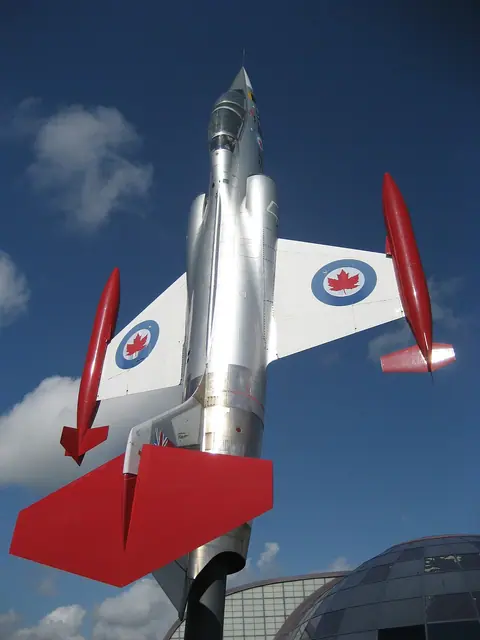
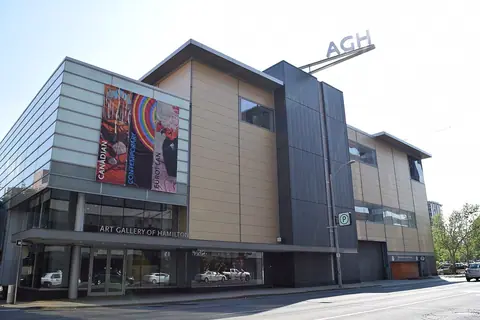
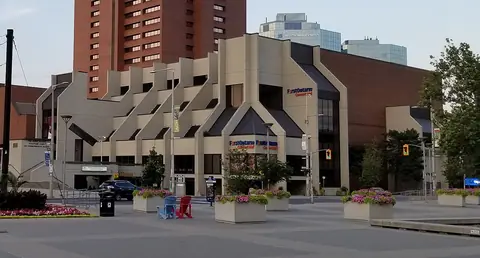
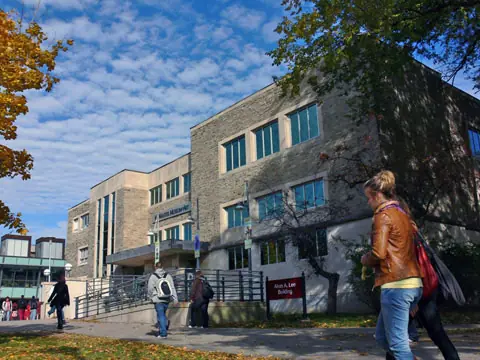
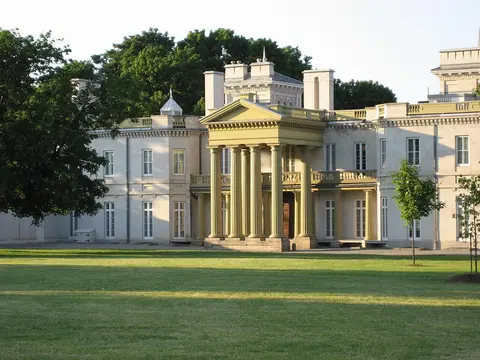
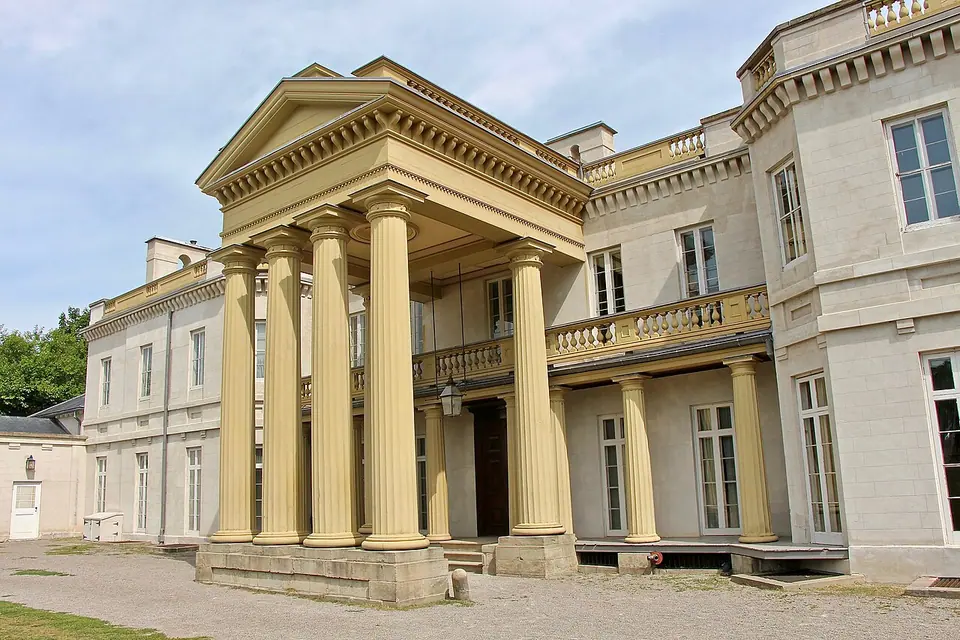
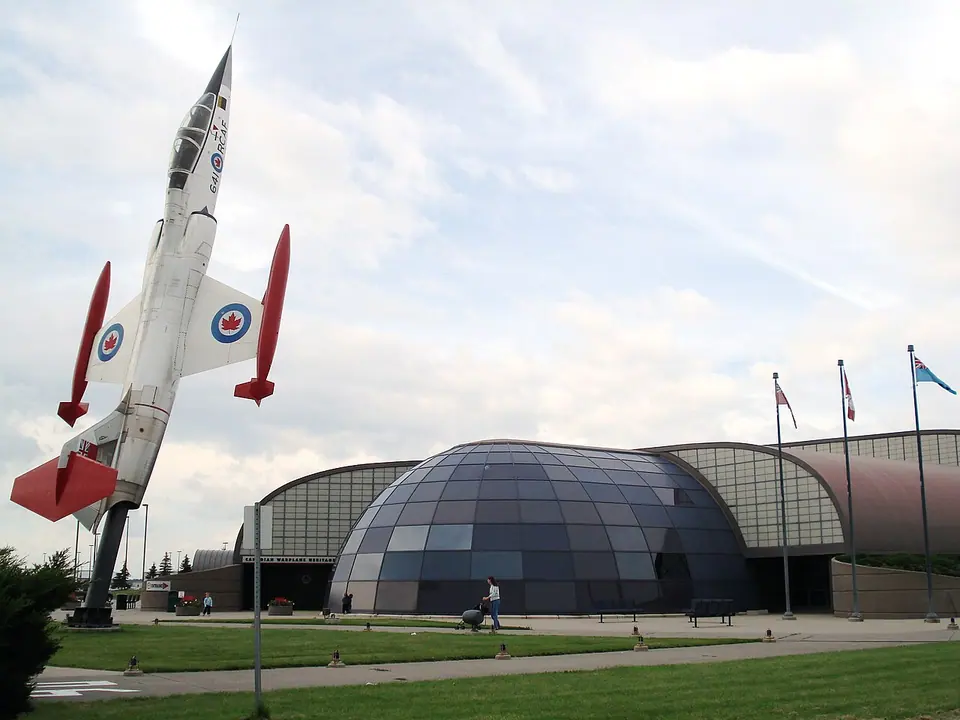
Hamilton has a strong cultural sector with numerous museums, galleries, theatres, and concert halls. The directory lists 25 museums and galleries and 24 theatres and concert halls, indicating a dense concentration of cultural venues. Major institutions include the Art Gallery of Hamilton, the oldest and largest public art gallery in Southern Ontario, with a collection of over 10,000 works including pieces by Alex Colville and Kim Adams. The Canadian Warplane Heritage Museum is an aviation museum at 9280 Airport Road West with more than 40 aircraft, including the only flyable Avro Lancaster bomber from the Second World War. Dundurn Castle is a historic neoclassical mansion at 610 York Boulevard operated as a museum with costumed interpreters and a historically accurate kitchen garden. The McMaster Museum of Art is a non-profit public gallery at McMaster University, and the university itself relocated from Toronto to Hamilton in 1930. Other notable sites are the Canadian Football Hall of Fame and Museum at Hamilton Stadium, the Workers Arts and Heritage Centre at 51 Stuart Street, and Whitehern Historic House, a Late Classical house built before 1850. For performing arts, the FirstOntario Concert Hall at 1 Summers Lane is a key music and performing arts venue in the downtown core. The city's cultural offerings reflect its history, industrial heritage, and contemporary artistic community, supported by institutions like the former Grand Lodge of Canada building from 1855.
- The Art Gallery of Hamilton holds more than 10,000 works of art, including Canadian historical and international pieces.
- The Canadian Warplane Heritage Museum features over 40 aircraft and offers personalized tours and flight simulators.
- Dundurn Castle is a 19th-century neoclassical historic house museum with two acres of kitchen garden.
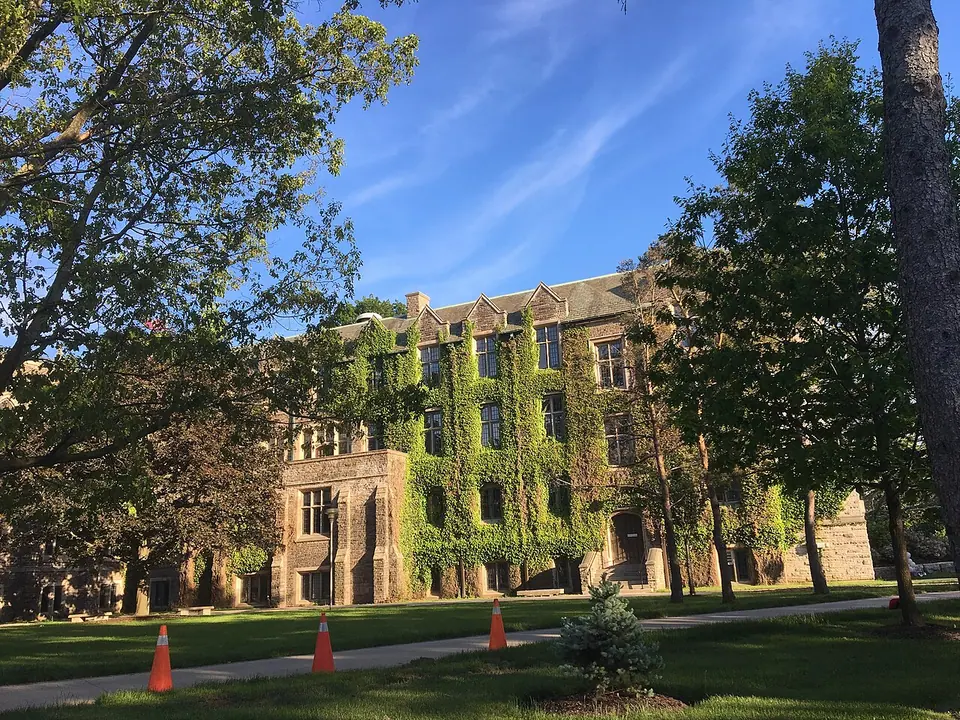
- The McMaster Museum of Art is a non-profit public gallery at McMaster University, which moved to Hamilton in 1930.
- The Canadian Football Hall of Fame and Museum celebrates achievements in Canadian football and is located at 64 Melrose Avenue North.
- Whitehern Historic House is a Late Classical house built shortly before 1850 and operated as a historic house museum.
- The Workers Arts and Heritage Centre is located at 51 Stuart Street and focuses on labour history and heritage.
- FirstOntario Concert Hall is a theatre and concert hall at 1 Summers Lane, originally known as Hamilton Place.
Sport and the Outdoors
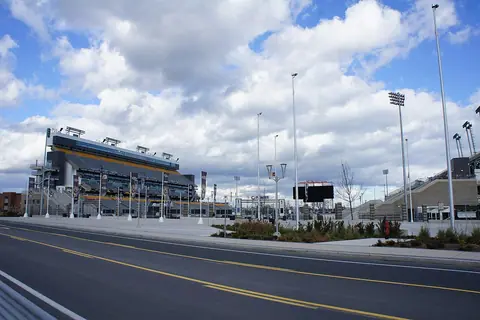
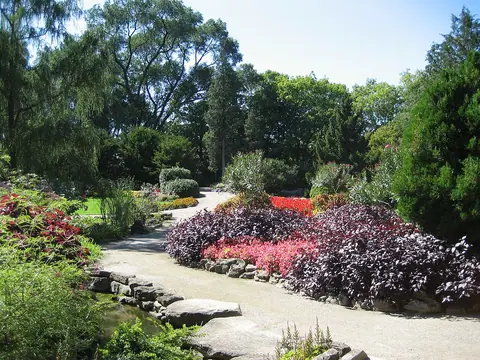
The city provides extensive opportunities for sport and outdoor recreation, with the directory listing 40 parks and outdoor areas, 40 sports and recreation facilities, and 9 arenas and stadiums. A major natural feature is the Niagara Escarpment, which is traversed by the Bruce Trail and is home to more than 100 waterfalls and cascades, though water quality can be poor due to urban runoff. The Royal Botanical Gardens, a historic site spanning Hamilton and Burlington, includes extensive gardens and trails, featuring the world's largest lilac collection and a restored Rock Garden. Specific parks include Confederation Beach Park along the waterfront, Mohawk Sports Park on the east mountain, and Gage Park at 1000 Main Street East with its civic gardens and community space. For spectator sports, Hamilton Stadium, originally known as Tim Hortons Field, is a multi-purpose Canadian football stadium at 64 Melrose Avenue North and is also home to the Canadian Football Hall of Fame. Ron Joyce Stadium is owned by McMaster University, and the David Braley Athletic Centre is an athletics facility on the McMaster campus. Other attractions include African Lion Safari, Canada's original safari adventure with a drive-through reserve, and Treetop Trekking in the Binbrook Conservation Area, which was named Ontario's attraction of the year. The developing urban waterfront includes trails, the historic ship HMCS Haida, and public spaces like Bayfront Park, with plans for new condos and retail areas.
- Hamilton Stadium is a Canadian football stadium at 64 Melrose Avenue North with a multi-purpose design.
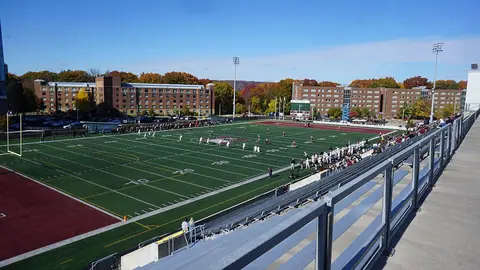
- Ron Joyce Stadium is a stadium owned by McMaster University used for university sports.
- The Royal Botanical Gardens is a historic botanical garden in Hamilton and Burlington with over 100,000 spring bulbs.
- Confederation Beach Park is a tourist area and park on the waterfront, known as Confederation Park until 2016.
- Gage Park is a large community park and civic gardens at 1000 Main Street East, serving the east end of the city.
- Mohawk Sports Park is a large sports park on the east mountain used for various athletic activities.
- The David Braley Athletic Centre is an athletics facility at McMaster University, part of the university's sports complex.
- The Bruce Trail runs the length of the Niagara Escarpment through the city, providing hiking access to many natural features.
Getting Around
Hamilton is served by several transportation networks connecting it within the Greater Toronto and Hamilton Area. The local public transit operator is the Hamilton Street Railway, which provides bus service across the city and formerly operated streetcars until 1951 and trolley buses until 1992. For regional rail travel, GO Transit operates several stations in and near the city centre, including Hamilton GO Centre and West Harbour GO within Hamilton, as well as Aldershot GO, Confederation GO, and Burlington GO in neighbouring municipalities. The city is accessible by major highways, including the Queen Elizabeth Way and the Burlington Bay James N. Allan Skyway, which opened in 1958 and crosses the ship canal into the harbour. Getting around Hamilton is very easy by car. Everything is pretty close together. For those not driving, the city is also serviced by ride-sharing, bike-share, and scooter programs, and the Hamilton International Airport, completed in 1940, provides air travel options. The city's original street grid was laid out by founder George Hamilton, with streets designated east or west of James Street and north or south of King Street, a pattern that still influences navigation today.
Events and Seasons
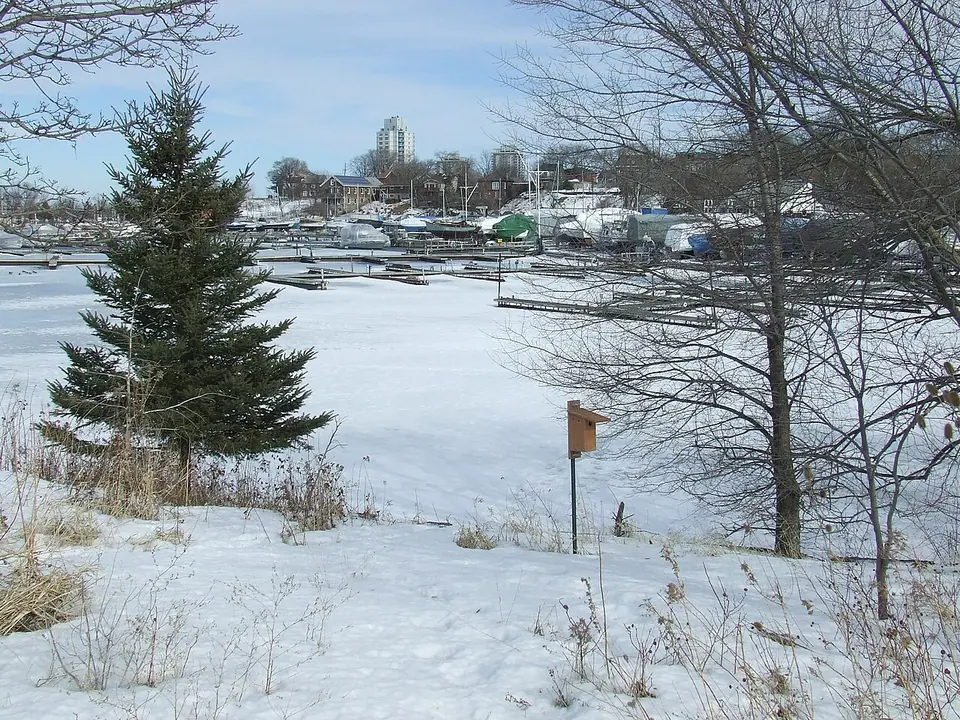
The city promotes holiday events in the winter, including tree lighting ceremonies, festive markets, and community celebrations like the Christmas Tree of Hope lighting. Specific events have included the CPKC Holiday Train visit in November and the Hess Village Business Improvement Area Holiday Market over several days. Summer brings opportunities to explore the outdoors, with many visitors hiking the escarpment trails and viewing the waterfalls, though swimming is not recommended due to water quality issues. The city's climate is humid-continental, with changeable weather patterns and moderate conditions compared to much of Canada, though it can experience extreme heat and cold. The airport area generally experiences lower temperatures and higher snowfall than the lower, built-up parts of the city due to its open, rural location and higher altitude. The record high temperature was 41.1 degrees Celsius on July 14, 1868, while the record low was minus 30.6 degrees Celsius on January 25, 1884.
Questions
What are some things to do in Hamilton, Ontario?
Visitors can explore over 100 waterfalls along the Niagara Escarpment and hike sections of the Bruce Trail that runs through the city. Cultural attractions include the Art Gallery of Hamilton, the Canadian Warplane Heritage Museum with its vintage aircraft, and the historic Dundurn Castle with costumed interpreters. Outdoor destinations feature the Royal Botanical Gardens, African Lion Safari wildlife park, and numerous city parks like Gage Park and the waterfront Confederation Beach Park. The city also has a varied food scene with many independent restaurants, bars, and cafés, as well as the historic Hamilton Farmers' Market for local produce.
What is Hamilton known for?
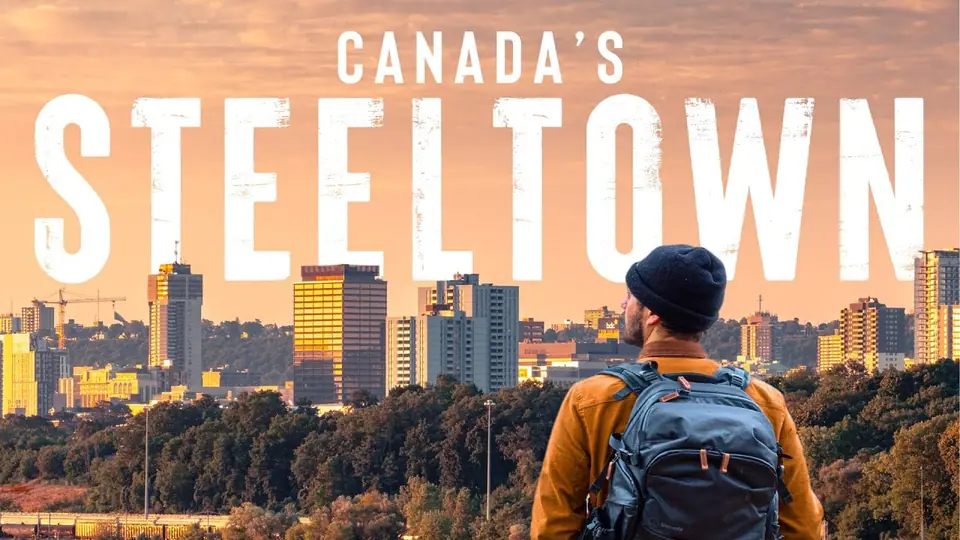
Hamilton is historically known as the Steel Capital of Canada due to its major steel production facilities like Stelco and Dofasco. It is also called the Waterfall Capital of the World for its many waterfalls on the Niagara Escarpment, with well over 130 falls and cascades. The city is home to post-secondary institutions including McMaster University, which moved there in 1930, and Mohawk College. Its deep industrial history is complemented by a growing service sector in health and sciences, and it is part of the heavily industrialized Golden Horseshoe region.
How do you get around Hamilton?
Local public transit is provided by the Hamilton Street Railway bus system, which replaced streetcar service in 1951. For regional travel, GO Transit operates several rail stations including Hamilton GO Centre and West Harbour GO within the city, as well as stations in nearby Burlington and Aldershot. The city is easily travelled by car, with most destinations within a short driving distance and major highway connections like the Queen Elizabeth Way. Ride-sharing services, bike-share programs, and electric scooters are also available for getting around different neighbourhoods and districts.
What are the best neighbourhoods to visit in Hamilton?
Trendy areas with shops and restaurants include those around Locke Street, such as Durand, Beasley, and Corktown, which are considered family-friendly and sought-after. The Strathcona neighbourhood is walkable and close to Bayfront Park, offering a convenient base away from downtown noise. Ottawa Street North is known for its antique stores, interior design shops, and its history as the city's fabric district. The amalgamated communities of Ancaster and Dundas offer their own distinct suburban character with historic sites like the Ancaster Mill and dining options, though they are more suburban in feel.
Are there any free things to do in Hamilton?
Hamilton offers numerous free activities for visitors and residents. Exploring public parks like Gage Park, Confederation Beach Park, and the waterfront trails at Bayfront Park is also a cost free way to enjoy the scenery. Walking through distinct neighbourhoods such as James Street North or Ottawa Street to admire the architecture and window shop provides another enjoyable no cost activity. The city's extensive park system, managed in part by the Hamilton Conservation Authority, includes many accessible natural areas.
What is there to do in Hamilton with kids?
African Lion Safari offers a drive-through wildlife experience with lions and elephants, plus a waterpark and daily animal shows. The Canadian Warplane Heritage Museum has over 40 aircraft, flight simulators, and the opportunity to see a vintage Lancaster bomber. Treetop Trekking in Binbrook Conservation Area has kid-friendly adventure courses with zip lines and suspended bridges. Dundurn Castle provides historical tours with costumed interpreters, and the Royal Botanical Gardens has extensive, stroller-friendly gardens and trails to explore. Many city parks also have playgrounds and open spaces, and the waterfront features attractions like the historic tugboat Theodore Tugboat.
Sources
- Hamilton, Ontario, Wikipedia.
- Home page | City of Hamilton, City of Hamilton.
- Hamilton's History Timeline, Hamilton Civic Museums, Hamilton Civic Museums.
- Hamilton Bucket List, Must See and Do Experiences, Tourism Hamilton, Tourism Hamilton.
- Cool and Unusual Things to Do in Hamilton, Atlas Obscura, atlasobscura.com.
- How to Spend 2 Days in Hamilton | Twirl The Globe, Travel Blog, twirltheglobe.com.