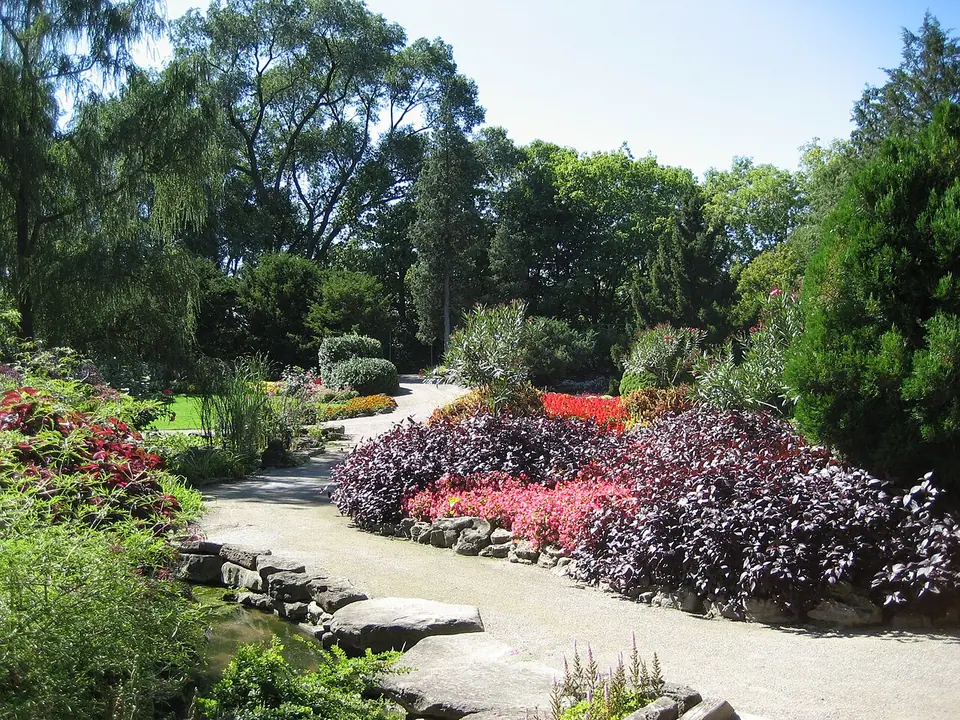

History and mandate
The concept for Royal Botanical Gardens originated in the 1920s under the City of Hamilton Board of Park Management, led by Thomas McQuesten. Formal permission to use the term "Royal" was granted by King George V in 1930, making it the only botanical garden in Canada with that right. The gardens officially opened in 1932 with the debut of the Rock Garden, created in an abandoned gravel pit using limestone from the Niagara Escarpment as part of a make-work beautification project during the Depression. The institution's mandate is derived from The Royal Botanical Gardens Act, 1941 of the Legislature of Ontario, focusing on human interaction with the natural world and the protection of environmentally significant lands. In 2006, Royal Botanical Gardens was selected as Canada's National Focal Point for the Global Strategy for Plant Conservation by Environment and Climate Change Canada. The gardens are governed by a volunteer Board of Directors comprising community members and appointed government representatives. The original vision combined horticultural displays with protected natural forests and wetlands, a design that marked a radical departure from 19th-century botanical garden concepts. The first director, Dr. Norman Radforth, was appointed in 1947, and Leslie Laking served as director from 1954 to 1981, guiding the institution's major development.
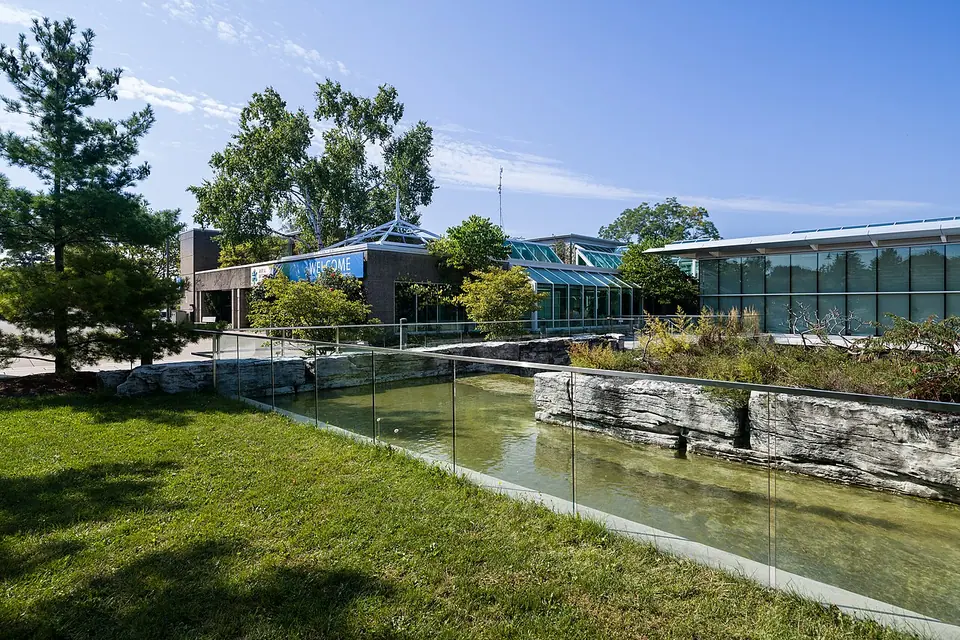

Landscape and natural areas
The gardens span an area approximately 10 kilometres by 4 kilometres, dominated by the coastal wetlands of Cootes Paradise and Grindstone Marsh. The terrain extends from Lake Ontario inland to the plateau of the Niagara Escarpment, featuring landforms carved during the last glaciation. The 980 hectares of nature sanctuary are largely a remnant of the Dundas Marsh Game Preserve created in 1927. This area is considered an important plant biodiversity hotspot for Canada, with more than 1,100 species of wild plants growing within its boundaries, representing about 25 percent of all wild plants of Canada. It is part of the Niagara Escarpment World Biosphere Reserve and is designated an Important Bird Area. The site also holds populations of endangered species, including the Bashful Bulrush and the Red Mulberry. In 2008, it was designated an Important Amphibian and Reptile Area. The gardens own the land under the provincially significant Class 1 wetlands and regulate activities on the water, an authority transferred from the Hamilton Harbour Commission in the late 1970s. The properties carry multiple cultural and environmental designations and feature prominently as a historical landing and connection point to other regions of the Great Lakes.
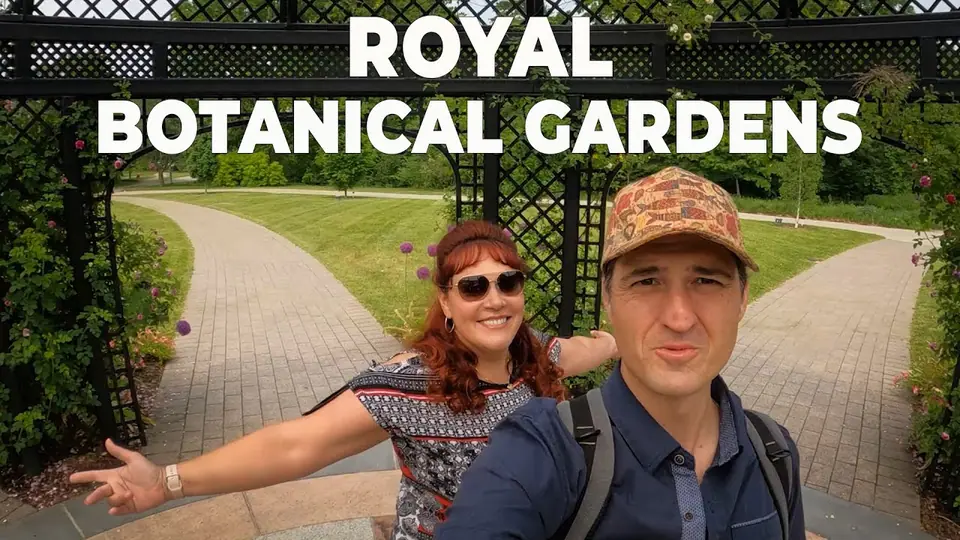 Play video: Discover the Beauty of Royal Botanical Gardens Hamilton Canada
Gardens and attractions
Royal Botanical Gardens presents five major cultivated garden areas to visitors across its 130 acres of cultivated gardens. The David Braley and Nancy Gordon Rock Garden is the oldest, dating to 1932, and contains 1,600 plant species along with waterfalls and sculptures within its 2.43 hectares. Hendrie Park is the largest garden area and includes features like the Centennial Rose Garden with over 3,000 rose bushes, the Scented Garden, the Medicinal Garden, and the Dan Lawrie International Sculpture Garden. The Laking Garden, designed in 1947 by plant curator K. Matthew Broman, functions as a trial garden for hardy herbaceous plant collections and includes a major iris collection. The Arboretum, developed in the 1950s and 1960s, features a diverse collection of trees and woody plants, including the lilac collection for which RBG is the International Registration Authority. RBG Centre houses indoor displays including the Mediterranean Garden and provides access to Hendrie Park via an underground ceramic-tiled tunnel. Dining options at the gardens include the Rock Garden Bistro, the Teahouse in Hendrie Park which offers afternoon tea, and The Greenhouse Cafe in RBG Centre. The Teaching Garden, first developed in 1947 to 1948, includes a house, a greenhouse and six hectares of gardens selected for aesthetic appeal and educational value.
- The Rock Garden: The historic first garden, built in a former gravel pit with limestone from the escarpment, featuring a network of winding paths, stairs, and pools.
- Hendrie Park: The largest garden with themed displays, a sculpture collection, a reflecting pool, and the Helen M. Kippax butterfly garden.
- Laking Garden: Home to herbaceous perennial collections like irises and peonies, set on a terraced plain with a belvedere offering panoramic views.
- The Arboretum: A collection of diverse trees and woody plants, including flowering cherries, crabapples, magnolias, and dogwoods, designed with avenues for automobile viewing.
- RBG Centre: The main visitor centre with indoor gardens, a shop, administrative offices, and the Camilla and Peter Dalglish Atrium with a living wall.
- Nature Trails: Over 27 kilometres of trails through natural sanctuaries with five main trailhead locations and two canoe launch points at Princess Point and Valley Inn.
- Mediterranean Garden: An indoor conservatory within RBG Centre featuring plants from Mediterranean climate regions, including olive trees and cork oak.
- Children's Discovery Garden: An exhibit space emphasizing the senses of smell, sound, and touch for younger visitors.
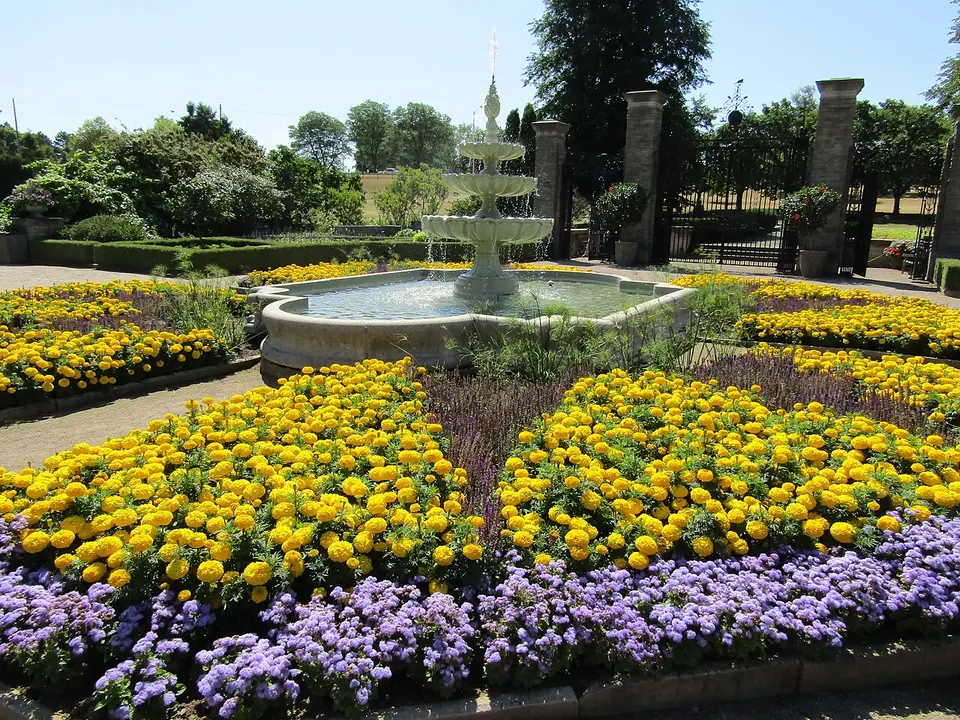

Activities and conservation
The gardens host seasonal events and programs throughout the year. These have included a live music series in Hendrie Park during summer, the Enchanted Garden family event with gnomes and fairies, and seasonal displays like the Winter Wonders light exhibition. Royal Botanical Gardens is involved in significant regional conservation work. It protects 2,700 acres of environmentally sensitive land and conducts species recovery programs. A notable success is the Blanding's turtle conservation project, which increased the local population from 20-25 a decade ago to an estimated 99 by 2024 through a head-starting program where turtles are raised to a larger size before release. Bald eagles have also returned to nest on the property annually after an absence of over 50 years, with a public contest held to name new eaglets. The institution maintains a herbarium with over 66,620 preserved plant specimens and has planted over 12,100 native plants for biodiversity restoration. The gardens also function as an education hub with curriculum-based programs on topics like bird-watching, wildflower identification, and canoeing. The long-standing trails on the Niagara Escarpment at Rock Chapel are part of the original founding route of the Bruce Trail.
Visiting details and fees
Admission fees apply for access to the cultivated garden areas during standard operating hours. Members receive free general admission and a parking pass, along with a 10 percent discount at RBG restaurants and the Garden Shop. The gardens are open daily as listed on OpenStreetMap. Hours can vary seasonally and by garden area, with specific closures for events or preparation. For instance, Hendrie Park had early closures and specific closures in late 2024 for the Winter Wonders event. The gardens are closed on December 25, December 26, and January 1. Approximately 27 percent of RBG's annual budget comes from support from the Province of Ontario, the City of Hamilton and the Region of Halton. The remaining 73 percent is classed as self-generated revenue raised annually from admissions, memberships, donations, summer camps, and fees-for-service. An organized volunteer group of more than 500 members supports the institution in roles such as tour guides, events support, staffing the Archives, and maintaining plant collections. Parking for garden access is available at RBG Centre and the Rock Garden. The nature trail network remains accessible without an admission fee, connecting to the local community. The gardens acknowledge they are situated on the traditional territories of the Haudenosaunee, Anishinaabe, and Huron peoples, specifically the Six Nations of the Grand River Territory and the Mississaugas of the Credit First Nation.
| Garden Area | Primary Location | Notable Feature |
|---|---|---|
| RBG Centre / Hendrie Park | 680 Plains Rd W, Burlington | Main visitor centre, tunnel to Hendrie Park, Mediterranean Garden |
| Rock Garden | 1185 York Blvd, Hamilton | Historic garden in a former gravel pit, Rock Garden Bistro |
| Laking Garden | 1260 Spring Garden Rd, Burlington | Herbaceous perennial and iris collections, belvedere viewpoint |
| The Arboretum | 16 Old Guelph Rd, Hamilton | Lilac collection, diverse trees, Rasberry House (Bruce Trail HQ) |
| Nature Interpretive Centre | 16 Old Guelph Rd, Hamilton | Education hub for workshops and programs like bird-watching |

Getting there and nearby
The nearest GO Transit rail station is West Harbour GO, located 3.3 kilometres away. This station is served by the Lakeshore West line with hourly service to Toronto's Union Station seven days a week. Local transit is provided by the Hamilton Street Railway. The gardens are situated across Hamilton and Burlington, with major access points on Plains Road West and York Boulevard. The RBG Centre and Rock Garden are approximately two kilometres apart, with driving, biking, or transit recommended between them. Several other listed places are located within a short distance of the gardens' coordinates. The Arboretum, another park area, is 360 metres away. Dundurn Castle, a museum and national historic site, is 2.0 kilometres away. Ron Joyce Stadium is 2.2 kilometres away, and the David Braley Athletic Centre is 2.3 kilometres away. For dining, Saigon Asian Restaurant is 2.3 kilometres away, and the McMaster Museum of Art is 2.6 kilometres from the gardens. The area is part of the Golden Horseshoe region, approximately 68 kilometres southwest of Toronto, within the Greater Toronto and Hamilton Area.
Nearby
- 1ArboretumPark or outdoor area360 m
- 2Dundurn CastleMuseum or gallery2.0 km
- 3Ron Joyce StadiumArena or stadium2.2 km
- 4David Braley Athletic CentreSports facility2.3 km
- 5Saigon Asian RestaurantRestaurant2.3 km
- 6McMaster Museum of ArtMuseum or gallery2.6 km
Straight-line distances computed from OpenStreetMap coordinates.
Questions
How much does it cost to get into the Royal Botanical Gardens?
Admission fees apply for access to the cultivated garden areas during standard operating hours. Members receive free general admission all year round, though some blackout dates may apply. The gardens' funding model includes self-generated revenue from admissions, which constitutes approximately 73 percent of its annual budget. The extensive system of nature trails, however, remains accessible without an admission fee. The institution began charging admission for the cultivated gardens in the early 1980s due to funding restrictions and a desire to become more self-supported. Tickets for special events like Winter Wonders or Santa's Brunch require separate purchase and are not covered by general admission.
Do you have to pay for Royal Botanical Gardens?
Yes, an admission fee is required to access the five cultivated garden areas, including Hendrie Park, the Rock Garden, Laking Garden, the Arboretum, and RBG Centre. This policy was instituted in the early 1980s. Access to the over 27 kilometres of nature trails through the natural sanctuaries does not require payment. Membership provides unlimited daytime visits to the gardens and includes a parking pass. Members also receive a 10 percent discount at RBG restaurants and the Garden Shop, along with pre-sale opportunities for special ticketed events. Membership also includes free admission and discounts to almost 400 other botanical gardens across North America.
Where can I park at the Royal Botanical Gardens in Hamilton?
Garden-access parking is available at two primary locations: RBG Centre at 680 Plains Road West in Burlington and the Rock Garden at 1185 York Boulevard in Hamilton. These two locations are approximately two kilometres apart. Parking availability can be limited during larger events, and carpooling or rideshare is recommended during those times. A parking pass is included with an RBG membership for use at trail heads and garden areas. The nature trails themselves have multiple trailhead locations, including Princess Point, Westdale, the Arboretum, Cherry Hill Gate, and Rock Chapel, which may have their own parking arrangements.
What are the Royal Botanical Gardens hours?
Hours change seasonally and can vary by specific garden area, with frequent exceptions for private events, preparation for exhibitions, or holidays. For example, Hendrie Park had specific closures and early closures in late 2024 for the Winter Wonders event. The gardens are closed on December 25, December 26, and January 1. Last admission typically occurs one hour prior to closing for all facilities and garden areas. The Rock Garden Bistro is sometimes booked for private events and reservations are recommended.
Can you visit the Royal Botanical Gardens in winter?
Yes, Royal Botanical Gardens is a year-round destination. RBG Centre, the Arboretum, and Hendrie Park remain open during the winter season, weather permitting. The gardens host special winter events such as the Winter Wonders light exhibition, which requires a separate timed-entry ticket. The Botanical Train Display has also been a seasonal attraction from late November through early January, included with garden admission. The Rock Garden features year-round perennial displays, and its waterfall is illuminated at night during certain periods. Some garden areas may be closed for periods in January for preparation of new exhibitions like Bloomland.
What is there to do at the Royal Botanical Gardens?
Activities include exploring the five major cultivated garden areas and over 27 kilometres of nature trails. Seasonal events include live music concerts in Hendrie Park during summer, family-oriented events like the Enchanted Garden, and holiday experiences such as Winter Wonders. The gardens offer dining at three locations: the Rock Garden Bistro, the Teahouse for afternoon tea, and The Greenhouse Cafe. Educational programs cover topics from plant conservation to wildflower identification. The institution is involved in conservation, with programs for endangered species like Blanding's turtles, and it maintains significant horticultural collections including lilacs, roses, and irises. Visitors can also view the International Sculpture Collection in Hendrie Park and explore themed gardens like the Medieval Garden and the Global Garden.
Sources
- Royal Botanical Gardens (Ontario), Wikipedia.
- Home, Royal Botanical Gardens, rbg.ca.
- Royal Botanical Gardens National Historic Site, Parks Canada.
- Royal Botanical Gardens, Nature @ McMaster, McMaster University.
- The Royal Botanical Gardens, blogTO.
- If you thought Royal Botanical Gardens was just about flowers, think again, The Hamilton Spectator.