History and transformation
The museum originated as the Halton County Museum in 1961, after the Halton Region Conservation Authority purchased the 200-acre farm property of Scottish settler Adam Alexander. The site had been settled in 1836. When the Regional Municipality of Halton was formed in 1974, the museum became a regional responsibility. A Halton Museum Foundation was established in 1998. In 2011, the Region commenced development of a master plan to enhance the museum as a tourist attraction. The final master plan, completed in March 2014, proposed a 25-year vision and led to Regional Council endorsing a new approach in June 2014. This transformed the museum into Halton Region Heritage Services, a model focused on supporting regional heritage organizations and caring for regionally owned heritage assets rather than operating a traditional public museum. The facility continued to be used for staff offices, workshops, and collections storage, with research services available by appointment. The 2014 master plan included a commitment of $8 million for a new heritage centre.
However, on July 9, 2025, Halton Region Council voted in a closed session to cease operations of Heritage Services by December 2025 and to deaccession and auction its collection. The decision was made without prior public consultation. Regional officials cited Bill 23, the More Homes Built Faster Act of 2022, as part of their justification, though heritage professionals noted the bill's changes to the Ontario Heritage Act were unrelated to the storage or interpretation of artifacts. A petition was launched to reverse the decision, and heritage experts made deputations to council in December 2025. They argued the move violated professional guidelines from the Canadian Museums Association and threatened the preservation of regionally significant history. At a December 10 meeting, the Region's CAO extended the initial deadline for the deaccessioning process. Critics, including a former volunteer, described the closure as a 20-year slow descent following the 2016 public closure and expressed fear it would set a precedent for other municipalities.

The collection and historic site
The Heritage Services collection grew to encompass approximately 30,000 artifacts, photographs, and archival documents related to the history of Halton Region. By 1976, the collection had already reached 15,000 items. Notable donations over the years included the bell tower from the Bruce Street school in Milton, donated in 1975. The bell itself was transferred to the central library. The stone masonry tools of original property owner Adam Alexander were donated by 1976. The museum was situated on the historic Alexander family farm, which featured several significant buildings. The family's barn, built in 1860, was the first building in Halton County to have electricity. Adam Alexander III met Thomas Edison in 1903 and subsequently installed a water wheel to generate power on the property, fifteen years before Ontario Hydro service reached the area. The collection was noted to contain items significant to the entirety of Halton Region, beyond any single modern municipality.
Exhibitions and public programming
During its operational years, the institution offered seasonal on-site and travelling exhibits along with public programming. After its 2014 transformation into Heritage Services, its role shifted toward providing professional services in exhibit planning, design, public program development, and artifact conservation for partner organizations across the region. One of the last exhibits launched under the museum model was Flights of Folly: Learning from the Passenger Pigeon, which opened at the Halton Region Museum Visitor Centre on June 11, 2014. That interactive exhibit marked the 100th anniversary of the bird's extinction and explored issues related to extinction, de-extinction, and contemporary species at risk. The institution also previously hosted private events such as wedding receptions, corporate events, and parties in its historic setting. The venue was described as featuring fieldstone walls, air conditioning, fireplaces, an adjoining patio, and grounds within the conservation area. Heritage Services supported the preservation and appreciation of regional heritage through partnerships with museums, archives, historical societies, and cultural organizations.
Initially founded as the Halton County Museum in 1961, it offered collections management, research, and educational programming from its inception through the 1990s. Following a 2014 master plan, it transformed into Halton Region Heritage Services, which focused on supporting regional heritage organizations and caring for heritage assets. The physical museum site within Kelso Conservation Area closed to the public at the end of 2016, though the facility continued to be used for administrative and collections storage purposes. Heritage Services later provided seasonal on-site and travelling exhibits and public programming until a 2025 council decision to cease operations.
- From its inception until the 1990s, the museum offered collections management, research and archives services, and interpretive and education programming.
- In 1999, Halton Region Council approved major capital improvements to the Alexander Barn and the Visitor Centre on the property.
- The 2014 master plan envisioned the institution as a Halton Heritage Centre providing professional services to the broader heritage community.
- After the 2016 public closure, the facility's primary functions were staff offices, workshops, collections storage, and research by appointment.
- Heritage Services offered seasonal on-site exhibits, travelling exhibits, and public programming as part of its mandate.
- The institution was listed as a venue capable of hosting wedding ceremonies, wedding receptions, corporate events, and parties.
- Its professional support included exhibit planning and design, public program development, and artifact conservation for partner organizations.

Location and surroundings
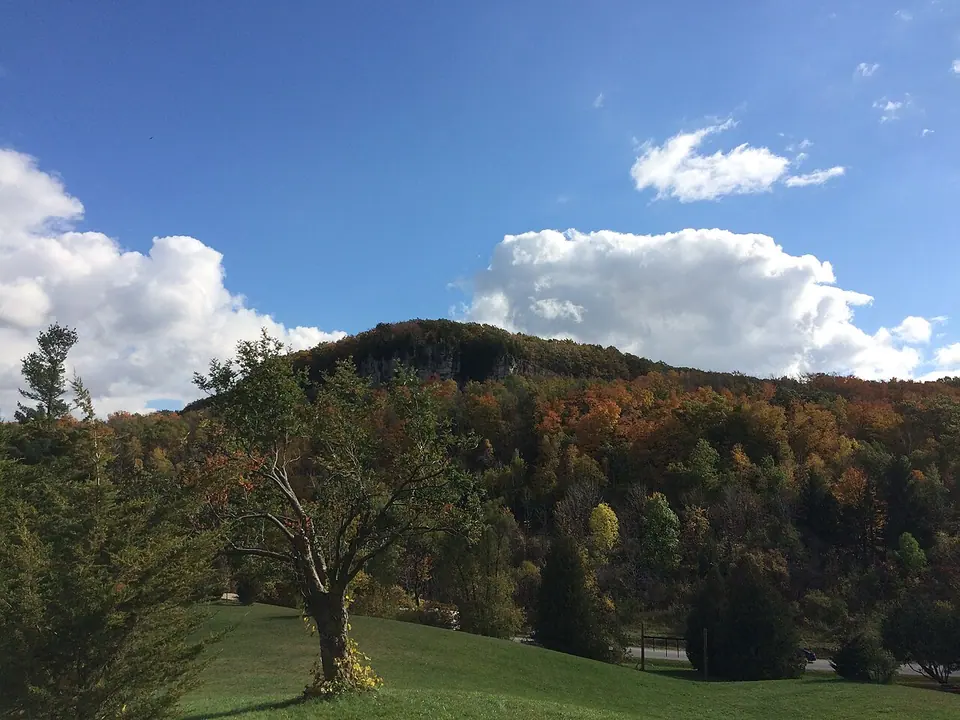
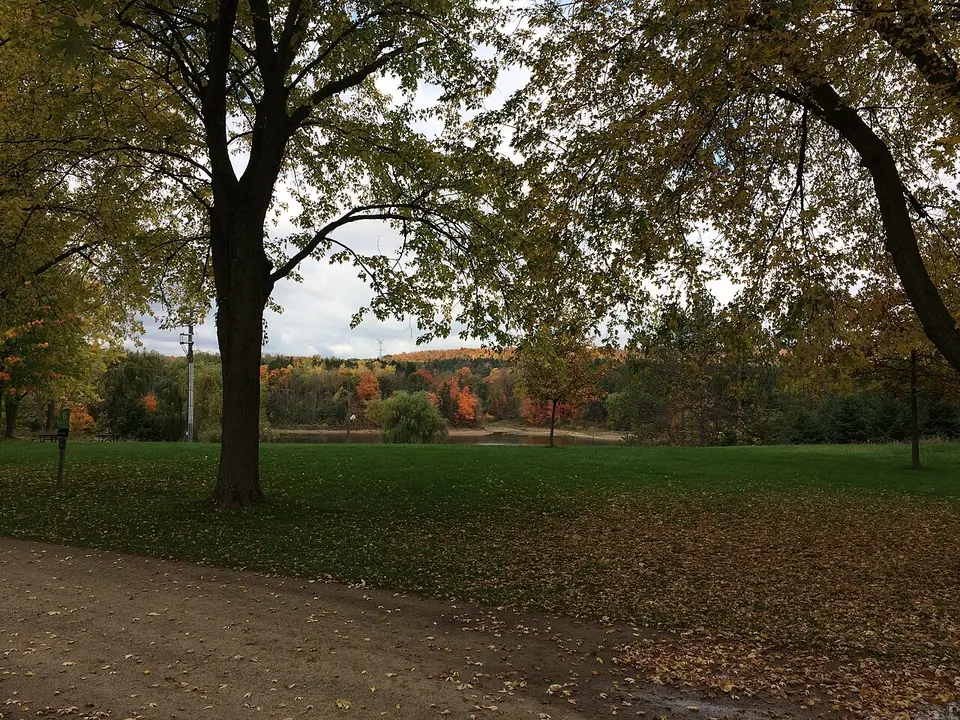
The museum is situated at the foot of the Niagara Escarpment, a UNESCO World Biosphere Reserve that is traversed by the Bruce Trail. The Bruce Trail is the oldest and longest marked hiking trail in Canada, running along the escarpment. The area includes conservation lands and outdoor recreational facilities. Milton itself is located on the Niagara Escarpment. Several other attractions and amenities are located near the museum site. The immediate area offers dining, sports, and parkland. The following table lists nearby places and their straight-line distance from the museum coordinates.
| Place | Type | Straight-line distance |
|---|---|---|
| Milton GO station | GO Transit rail station | 6.7 km |
| Snowball Cafe | Restaurant | 160 m |
| Glen Eden | Sports facility | 210 m |
| Kelso Conservation Area | Park or outdoor area | 670 m |
| Hilton Falls Conservation Area Entrance | Park or outdoor area | 1.3 km |
| Country Heritage Park | Park or outdoor area | 1.5 km |
| Area 8 | Park or outdoor area | 1.8 km |
These nearby locations highlight the museum's setting within an area of natural and recreational amenities. The proximity to facilities like Glen Eden and conservation area entrances underscores the site's connection to outdoor activity. The Bruce Trail, which passes through the escarpment landscape, offers extensive hiking opportunities connected to this region. The clustering of these destinations makes the area a hub for visitors interested in history, conservation, and recreation.
Visiting and access
The museum facility itself has been closed to the public since the end of 2016. The building continues to be used for regional staff offices, workshops, and collections storage. Research access to the collection was available by appointment prior to the 2025 closure decision. The surrounding Kelso Conservation Area remains a public park operated by Conservation Halton. The venue was listed as having features including wheelchair access and free parking. The future of the site and the collection remains uncertain following the 2025 council decision to deaccession all artifacts. The closure process involves offering artifacts to local institutions first, with any unclaimed items going to public auction.
Getting there and local context
The nearest GO Transit rail station is Milton GO Station, located 6.7 kilometres from the museum site. Milton GO is the western terminus of the Milton line and offers connecting bus service. The station opened on October 26, 1981, with an inaugural free ride to Union Station in Toronto. Local public transit in Milton is provided by Milton Transit. Most of Milton Transit's regular bus routes start and end at Milton GO Station, providing connections throughout the town. Milton is a town within the Regional Municipality of Halton and has been one of Canada's fastest-growing municipalities. The museum is located within a conservation area, and visitors should consult current access information for Kelso Conservation Area regarding parking and entry. The region's other municipal museums are located in Oakville and Burlington, while Milton and Halton Hills have no existing civic museum facilities, a point raised during the closure debates.
Milton Transit operates a network of bus routes that connect various neighbourhoods and key areas within the town to the Milton GO Station hub. These regular routes, which include numbers 1 through 9 and route 21, primarily start and end their journeys at the GO station. This transit hub facilitates commuting and travel for residents by linking local destinations with regional rail and bus services. The station itself offers parking and amenities, serving as a central transportation node for the community.
- Route 1 operates between Milton GO Station and Conestoga.
- Route 2 is the Main route, with East and West branches.
- Route 3 is the Trudeau route.
- Route 4 is the Thompson / Clark route.
- Route 5 is the Yates route.
- Route 6 is the Scott route.
- Route 7 is the Harrison route.
- Route 8 is the Willmott route.
These routes include the 21, 21A, 21F, 22, 27A, and 27F services. They offer travel options to locations such as Oakville and North York, extending the commuting range for Milton residents. The station features a bus loop that accommodates both GO Transit and Milton Transit buses, integrating local and regional transportation networks. This setup supports travel across the Greater Toronto Area from this western terminus of the Milton line.
Nearby
- 1Snowball CafeRestaurant160 m
- 2Glen EdenSports facility210 m
- 3Kelso Conservation AreaPark or outdoor area670 m
- 4Hilton Falls Conservation Area EntrancePark or outdoor area1.3 km
- 5Country Heritage ParkPark or outdoor area1.5 km
- 6Area 8Park or outdoor area1.8 km
Straight-line distances computed from OpenStreetMap coordinates.
Questions
Is the Halton Region Museum still open to the public?
The Halton Region Museum site closed to the public at the end of 2016. The institution was later operated as Halton Region Heritage Services, which provided support to other heritage organizations and managed the regional collection from the same location. In July 2025, Halton Region Council voted to close Heritage Services entirely and deaccession its collection of 30,000 artifacts, with operations slated to cease in December 2025. The physical building continues to be used for regional staff offices and storage but is not open for public visitation. Research services were previously available by appointment only prior to the 2025 closure decision.
What was in the Halton Region Museum collection?
The Halton Region Heritage Services collection contained approximately 30,000 artifacts, photographs, and archival documents pertaining to the history of Halton Region. Specific items included the bell tower from the former Bruce Street school in Milton, donated in 1975, and the stone masonry tools of Adam Alexander, the original Scottish settler of the property, donated by 1976. The collection also included materials related to the historic Alexander farm buildings, such as the 1860 barn that was the first in Halton County to have electricity. Many records and artifacts were considered significant to the entirety of Halton Region, beyond the borders of any single modern municipality.
Why did Halton Region decide to close the heritage service?
In a closed council session in July 2025, Halton Region Council voted to close Halton Region Heritage Services and deaccession its collection. The Region and at least one councillor cited Bill 23, the More Homes Built Faster Act of 2022, as part of the justification for the decision. Critics, including heritage professionals, argued the bill was unrelated to museum operations and that the closure set a dangerous precedent for other municipalities. The decision was made without prior public consultation, leading to a petition for its reversal and deputations from heritage experts who cited violations of professional museum guidelines. A museum collection administration study by Lord Cultural Resources regarding the closure was kept confidential.
Where is the Halton Region Museum located?
The Halton Region Museum is situated within the Kelso Conservation Area in Milton, Ontario. The property is the historic 200-acre farm settled by Adam Alexander in 1836. It is located at the foot of the Niagara Escarpment, a UNESCO World Biosphere Reserve. The nearest major transit hub is Milton GO Station, which is 6.7 kilometres away. The immediate area includes other conservation lands like Hilton Falls and recreational facilities such as the Glen Eden sports area. The museum's coordinates are 43.50549, -79.94634.
What will happen to the museum's artifacts after the closure?
Following the 2025 closure decision, Halton Region planned a deaccessioning process for the collection of 30,000 items. The stated plan was to first offer artifacts to local museums, libraries, and historical societies within Halton. Any items not claimed by local institutions would then be sold at public auction, with proceeds directed toward other heritage initiatives. Heritage organizations in Milton and Halton Hills, which lack their own museum facilities, expressed concern about their capacity to accept and care for the regionally significant artifacts. At a December 2025 council meeting, the deadline for completing the deaccessioning process was extended beyond the initial January 1, 2026, target.
What was the Halton Heritage Centre plan?
In 2014, Halton Regional Council approved a new master plan that aimed to transform the Halton Region Museum into the Halton Heritage Centre. The plan endorsed a long-term vision developed by consultants Reich + Petch and TCI Management Consultants. It involved a shift from a traditional museum to a centre providing professional heritage services and supporting community organizations. Regional Council committed $8 million for a potential new location for the Halton Heritage Centre as part of the plan. The short-term strategy was implemented, but the mid-to-long term strategy, including the new centre, was put forward for consideration in the 2015 to 2018 Action Plan.
Sources
- Halton Region Museum, Wikipedia.
- Staff Report Template, Halton Region.
- Halton Region Museum to become Halton Heritage Centre, Inside Halton.
- Halton Region Museum, Milton, Galleries/Museums for Weddings, Parties, Corporate Events & More, eventsource.ca.
- Halton's closure of heritage services raises alarm over local history's future, haltonhillstoday.ca.
- Bruce Trail, Wikipedia.